
After Storm Season: A Room-by-Room Wall and Ceiling Check for Marion County Homes
Why November Is the Month to Look
Marion County's storm season runs roughly June through the end of October, with the heaviest rain and wind risk from August through October. By the time November rolls around, a lot of homeowners figure the risk has passed and stop thinking about the roof until next summer. That's backward. November is often when storm damage from the prior few months finally shows up inside the house.
Here's why it takes so long. A shingle that lifted in a September wind event, a pipe boot that cracked, or a screw that backed out of flashing doesn't announce itself right away. Water that gets in above the ceiling travels along rafters and trusses, sometimes for a surprising distance, before it ever reaches drywall. By the time a brown ring shows up on a ceiling or a wall, the wood framing above it may have been damp for weeks already.
Late fall, once the rain lets up and the house has had a stretch of drier weather, is a good time to walk every room with your eyes up. A slow leak that's been dripping quietly since August will often leave a clear mark by November, even if it never caused an obvious problem during the storm itself.
The Ceiling Check
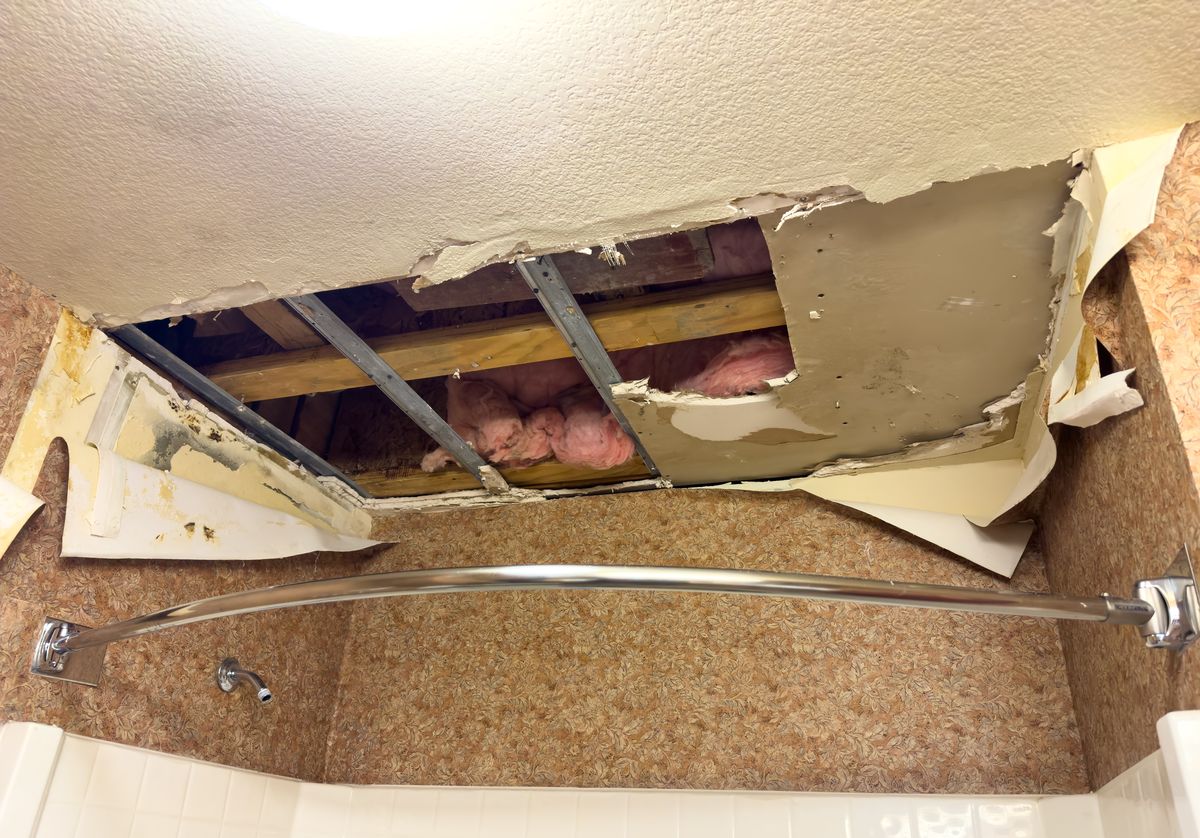
Start with ceilings, since water runs downhill and shows up there first. A yellow or brown ring on a white ceiling almost always means moisture got into the drywall at some point. If the ring is dry and the board feels firm when you press on it gently, the leak may already be stopped — but it's still worth a look, because mold can grow inside drywall that looks fine from underneath.
Older Marion County homes with popcorn texture ceilings can actually hide a stain longer than a smooth ceiling would, since the rough texture breaks up the outline of a ring and makes it less obvious at a glance. Run a hand along the texture, gently, if you suspect something, rather than relying on a quick look from across the room.
A soft spot is a different matter than a dry stain. If the ceiling gives when you press on it, or you notice any sag, even a shallow dip, that drywall is holding water weight right now. This is a stay-out-and-call situation. A sagging section of wet drywall can let go without much warning, and a ceiling full of water is heavy enough to hurt someone standing under it. Keep people and furniture clear and call before it falls on its own schedule.
If you have attic access and can look safely, shine a light along the underside of the roof deck near any stain you find. Dark staining on the wood or damp insulation confirms the source is still active, or was recent enough to still show moisture.
The Wall Check
Walls tell a slower story than ceilings do. Bubbling or peeling paint, especially near a window, an exterior wall, or a plumbing wall, usually means moisture is working behind the surface. Baseboards that feel soft or spongy when you press on them are another sign worth checking — water running down inside a wall collects at the bottom, often before anyone notices a problem higher up.
A musty smell low in a room, especially one that doesn't go away after cleaning, deserves attention even without a visible stain. It often means moisture sitting inside a wall cavity where you can't see it yet.
A lot of the housing stock in Ocala and Marion County dates to the 1970s and 80s, many with original popcorn ceilings and single layers of older drywall. These materials started out older and drier, which can actually mean moisture takes a little longer to show on the surface than it would in a newer home with modern board. That's one more reason a slow leak from storm season might not announce itself until well into November.
Baths and Laundry Rooms
Bathrooms and laundry rooms carry more day-to-day moisture than any other room in the house, and that wears on drywall faster over time. Check around tub and shower surrounds for soft board or discolored grout lines, and look under and behind the washer for any sign of a slow hose leak — those are easy to miss since the washer sits in front of the wall.
If a bathroom or laundry room has never had moisture-resistant board installed, it's worth asking about the next time a repair comes up in that room. Moisture-resistant board costs a bit more than standard drywall, usually about $0.25 to $0.50 more per square foot, but in a room that stays humid most of the year, it holds up noticeably better.
Bathroom exhaust fans matter more than people think. A fan that vents into the attic instead of outside just moves humidity from one enclosed space to another, which can cause ceiling problems in a completely different room than the shower itself.
What You Can Check Yourself vs. What Needs a Crew
You can do the room walk-through yourself. Look for stains, press gently on suspect spots with the back of your hand instead of your fingertips, run the bathroom fan if it hasn't been used in a while, and check the caulking around tubs and windows. None of that takes tools or experience, just a bit of attention on a day you've got a few minutes.
What you shouldn't do is cut into a wall or ceiling yourself to see how bad something is, or patch over a soft or sagging spot without knowing what's behind it. Finding the real source of a leak usually means getting into a wall cavity or attic space, drying the area to a proper moisture reading, and replacing the right amount of board, not just the stained part. That part is a job for a crew with a moisture meter, not a guess with a flashlight and a tube of caulk.
It also helps to snap a photo of anything you find and note the date you noticed it. That timeline is useful information for whoever ends up doing the repair, even if it's not a problem yet.
What These Repairs Actually Cost
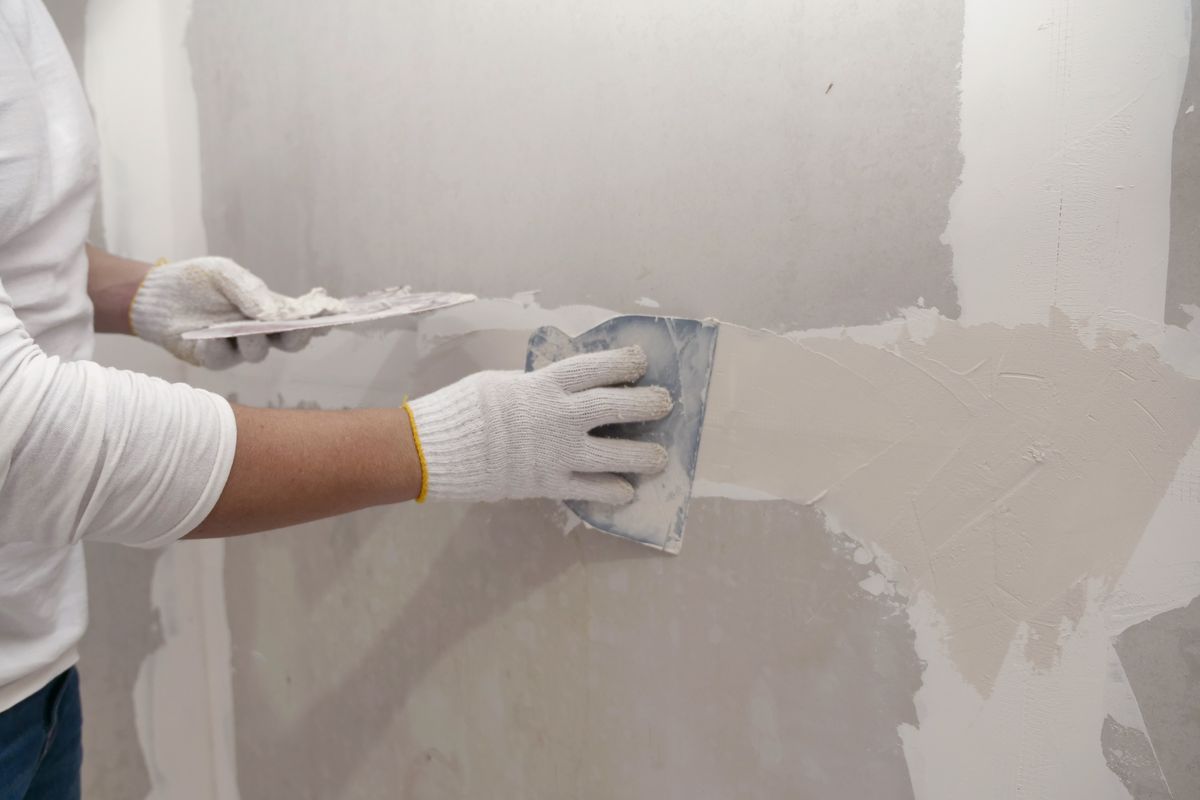
Prices vary with the size of the damage and the type of repair needed. Water damage repair, which means cutting out the wet section, drying it to a proper moisture meter reading, and replacing and finishing the board, runs $350 to $1,200 per section depending on size and how long the drying takes. A straightforward small patch, like a water spot that didn't spread far, runs $250 to $450. Larger patches, especially ones that need texture matching to blend into the rest of the ceiling or wall, run higher, up to $900.
These are market ranges for the Marion County area, not a quote for your specific wall. A written quote after an actual look at the damage is free, and that number is the one that holds for the job, not an estimate that changes once the work starts.
Your Room-by-Room Checklist
Walk the house with this list and you'll catch most storm season damage before it spreads further.
- Ceilings: look for rings, discoloration, or any dip — press gently, never stand directly under a soft spot
- Walls: check for bubbling paint, soft baseboards, and musty smell near the floor
- Bathrooms: inspect tub and shower surrounds and grout lines for softness or staining
- Laundry room: check behind and under the washer for slow leaks
- Windows and exterior walls: look for peeling paint or stains that follow a window line
- Attic access: if you can safely check, look for damp insulation or dark spots on the underside of the roof deck
- Anything soft, sagging, or spreading: stop, stay clear, and call (352) 644-9394
Ready to get the wall fixed?
Call for a free written quote, or send the form and we will call you back.